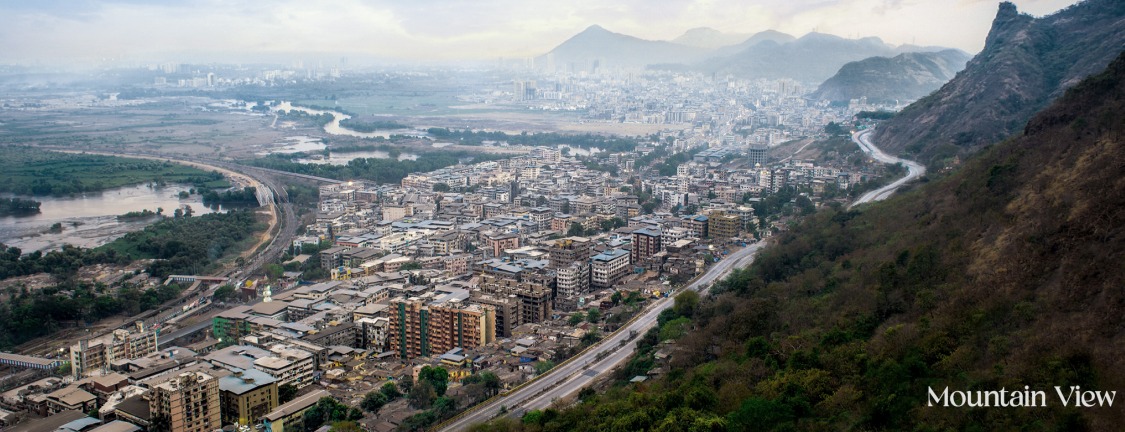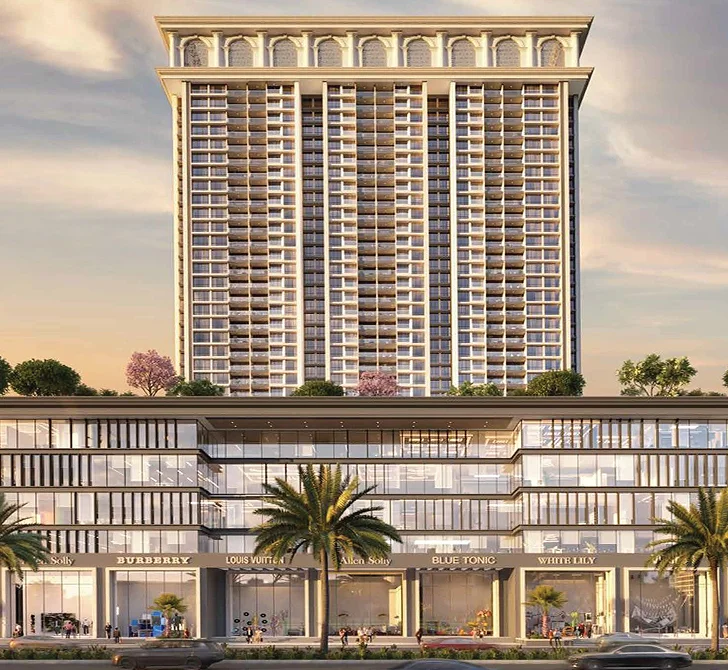
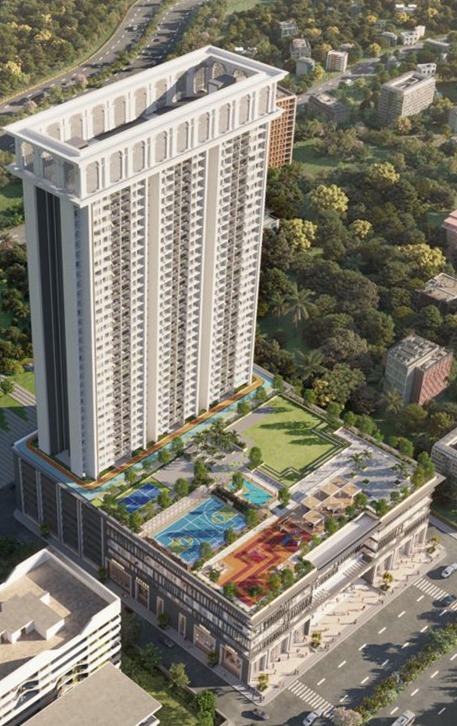
Two infrastructure projects are landing on the same stretch of Thane within a few years of each other, and each one changes the math for property buyers in a different way. One is already open. The other is close to finished. Here's what each one actually does, and the pattern of how corridors like this tend to re-price around them.
Atal Setu: the commute that already changed
Atal Setu, India's longest sea bridge, has been open since January 2024. It cuts the road run between Sewri and Navi Mumbai from roughly ninety minutes down to about twenty — and because it connects into the road network serving JNPT, the upcoming Navi Mumbai International Airport, and south Mumbai, it effectively pulls the entire eastern Thane belt closer to destinations that used to mean a half-day round trip. This isn't a future promise; anyone can drive it today and measure the time themselves.
Metro Line 5: the line that's almost there
Metro Line 5 runs Thane–Bhiwandi–Kalyan, roughly 25 km across 17 stations, and is projected to carry around 10 lakh riders a day once fully operational. Phase 1, covering Kapurbawdi to Dhamankar Naka, is reported to be approximately 99% complete on civil works, with a commercial launch targeted for December 2026. That civil-works figure matters: a metro line that's still being tendered or whose alignment is being finalised carries real execution risk, but one where the structures are substantially built and the remaining work is commissioning and safety trials is a much shorter, lower-risk runway to opening.
Once operational, it takes daily commuter load off the Central Railway line this corridor currently relies on almost exclusively — which is the specific bottleneck that's kept parts of this belt priced lower than their location would otherwise justify.
The two-stage way infrastructure actually moves prices
Property prices along an infrastructure corridor don't move once, on opening day — they typically move in two distinct stages, and recognising which stage you're in matters more than the headline announcement itself.
- The confirmation phase. Prices tick up modestly once a project moves from "announced" to "visibly under construction with a credible completion date" — this is a re-rating of risk, not of utility, because the thing still isn't usable yet. Metro Line 5 at 99% civil completion with a named 2026 target sits squarely in this phase right now.
- The opening phase. The larger repricing happens once the infrastructure is actually operational and commute times are something buyers can verify for themselves rather than take on faith. Atal Setu has already been through this phase since January 2024; Metro Line 5 has not yet.
Buying during the confirmation phase, after execution risk has mostly cleared but before the larger opening-phase repricing happens, is the window every infrastructure-driven corridor offers exactly once.
A checklist before you buy on an infrastructure story
- Verify completion percentage from an official or credible source, not just a brochure line — civil-works completion and commercial operation date are two different things, and the gap between them can run into years.
- Check how far the specific project actually is from the infrastructure — "near the metro corridor" can mean anywhere from 500m to several kilometres; ask for the measured distance from the site gate, not the locality.
- Separate the bridge/road story from the metro story — they solve different commutes (Atal Setu: south toward Mumbai; Metro Line 5: lateral along Thane–Bhiwandi–Kalyan) and a property may benefit from one far more than the other.
- Ask what's already happened versus what's still projected — Atal Setu's commute-time improvement is a measurable fact today; Metro Line 5's ridership and price impact are still projections until it's running.
Where MEK Grand City sits on this map
MEK Grand City, on Old Mumbai Pune Road in Mumbra, sits 0.7 km from Mumbra railway station and 3.5 km from the Mumbai–Pune Expressway — both measured from the site gates. That combination means the address benefits from Atal Setu's already-live commute improvement toward south Mumbai today, and sits positioned for Metro Line 5's corridor effect once Phase 1 opens.