"RERA registered" appears on nearly every real estate brochure in India, often as a single line buried near the bottom. That's a shame, because what it actually represents is one of the more substantial pieces of consumer protection law covering any purchase you'll make in your lifetime. Here's what the Real Estate (Regulation and Development) Act, 2016 actually requires, and what it lets you check before you hand over a rupee.
Why RERA exists
Before 2016, Indian real estate had no central regulator. Delayed projects, collected advances with no construction progress to show for it, and carpet-area figures that quietly shrank between brochure and possession were common enough to be a known risk of buying under-construction property. The RERA Act was built to close exactly those gaps, by requiring every project above a certain size to register with a state regulatory authority before it can even be advertised or sold.
Mandatory disclosure, before you ever visit a site office
A RERA-registered project must publicly disclose its approved layout plans, land title status, the promoter's track record, and the project's registration number — all of it on the state authority's own website, not just on whatever the developer chooses to print in a brochure. This is the single biggest practical shift RERA created: you can verify a project's basic legal standing before you ever speak to a salesperson.
A standardised definition of carpet area
Before RERA, "area" meant whatever a given developer wanted it to mean, and buyers routinely compared built-up or super built-up figures from one project against carpet-area figures from another without realising the two numbers weren't measuring the same thing. RERA mandates that the price quoted must be tied to a specific, legally defined carpet area — the actual usable floor space within the walls — which is what makes it possible to compare two RERA-registered projects on an apples-to-apples basis.
Penalties and compensation for delay
If a developer misses the possession date stated in the registration, RERA entitles buyers to compensation, calculated as interest on the amount paid, for every month of delay — or, in some circumstances, the right to withdraw from the project entirely with a full refund plus interest. This is a legal entitlement, not a goodwill gesture a developer may or may not choose to honour.
Five years of structural defect liability
RERA makes the developer liable for structural defects — things like cracks, seepage, or other quality issues that show up after possession — for five years from the date you take possession, at no additional cost to you. This liability period exists specifically because construction defects often don't surface until a building has been lived in and gone through at least one full monsoon cycle.
A dedicated grievance forum
Disputes with a developer used to mean a civil court case that could run for years. RERA created a dedicated regulatory authority and an appellate tribunal in each state specifically to hear real estate disputes, with statutory timelines for resolution that an ordinary civil suit doesn't have.
How to actually verify a project yourself
Every state runs its own RERA portal; in Maharashtra, that's maharera.maharashtra.gov.in. Search by the project's registration number or the promoter's name, and you can see the registered carpet area, the declared possession date, the approved layout, and any complaints filed against the project — all before you sign anything. This takes a few minutes and is the single most useful check available to any buyer in this state.
RERA registration isn't a marketing badge — it's a public record you're entitled to check yourself, independent of anything a sales team tells you.
Verifying MEK Grand City
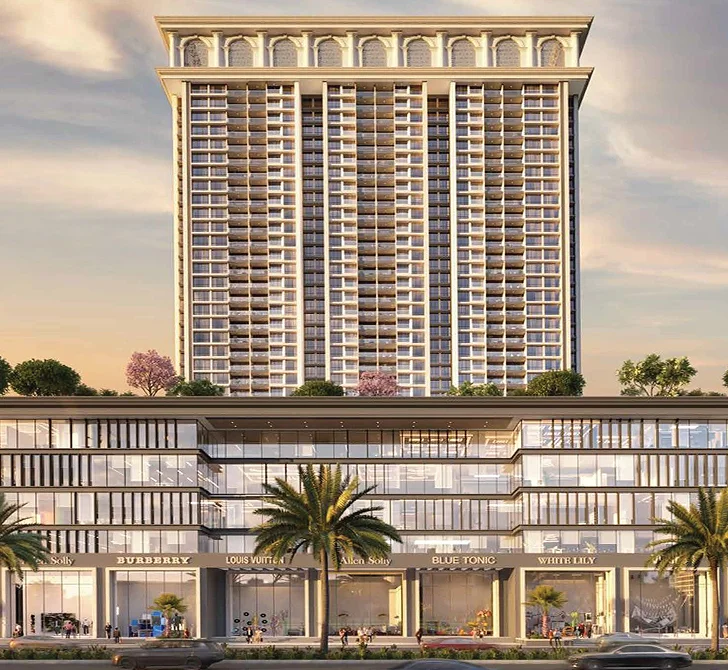
Grand Meridian City is registered under MahaRERA number PR1330002600936, and MEK Grand Central under PC1330002600951. Both can be looked up directly on maharera.maharashtra.gov.in to confirm registered area figures, approved plans, and possession timelines independently of anything stated here.